
Your eyes work from the moment you wake up until you sleep, yet most people only think about them when something goes wrong. Blurred reading, sudden floaters, or a child squinting at the board can all point to a problem. Choosing the right hospital early can be the difference between a simple fix and a lasting vision loss.
Vadodara has a good mix of dedicated eye centres and multispecialty hospitals with ophthalmology departments. This guide covers five options, with a few tips for deciding between them.
1. OptiGlow Eye Hospital
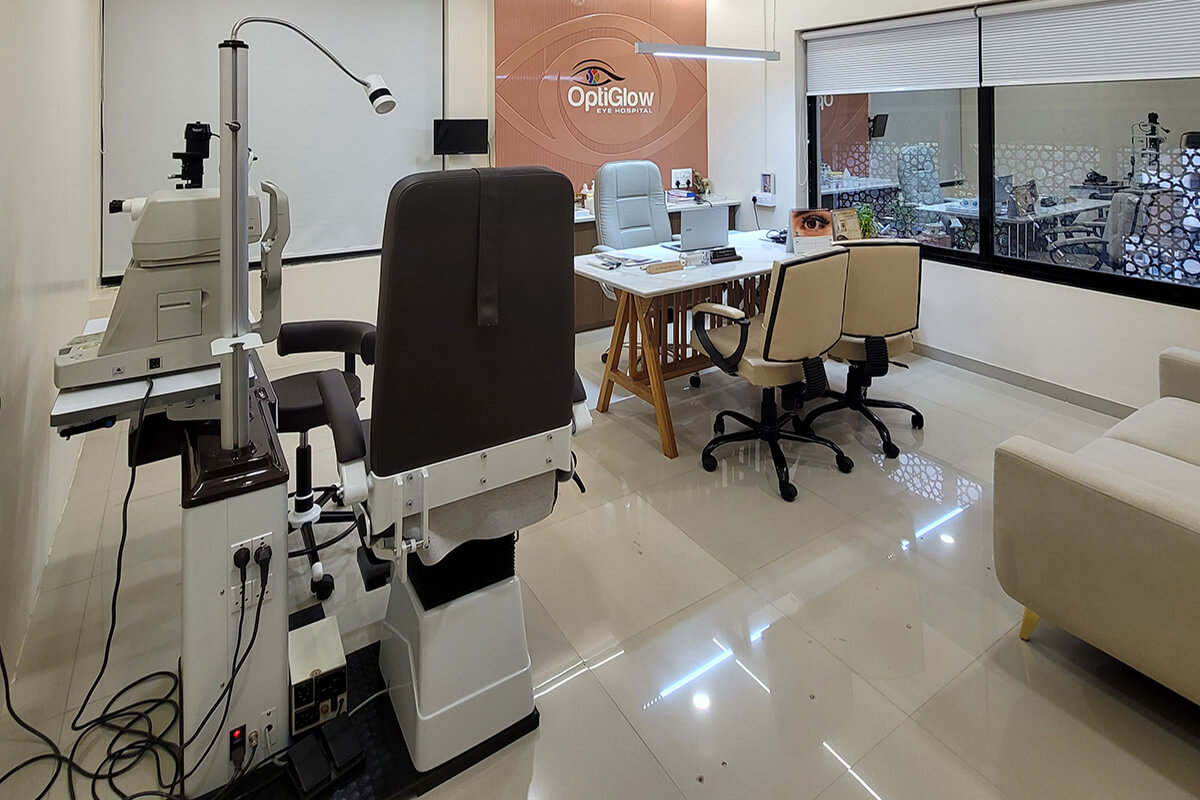
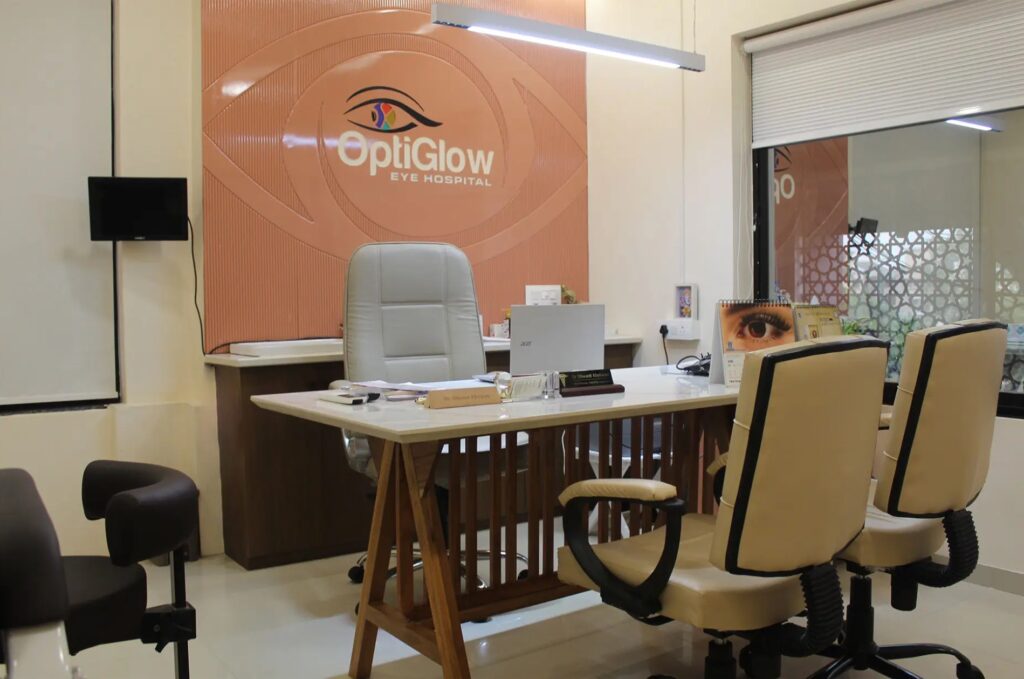
OptiGlow is best eye hospital in Vadodara for patients who want focused, personal attention instead of a rushed consultation. Eye-only hospitals tend to build their whole workflow around vision care, and that shows in how appointments, diagnostics, and follow-ups are organised.
Patients usually go there for cataract evaluation and surgery, refractive correction for people who want to reduce dependence on glasses, and routine screening for glaucoma and diabetic eye changes. Families also bring children for vision checks, and working adults come for dry eye and screen-related strain.
The main strength is the continuity of care. You are not just handed a prescription. You get an explanation of what your scans show, what your options are, and what recovery should feel like. If you value a doctor who takes time to answer questions, OptiGlow deserves a place on your shortlist.
2. Sankara Nethralaya
Sankara Nethralaya is one of India’s best-known names in ophthalmology. It began in Chennai in 1978 as a charitable institution, and its reputation rests on a blend of patient care, teaching, and research.
It is worth including for people in Vadodara who want a second opinion on a complicated case, such as a difficult retinal condition or a rare paediatric disorder. Its main campuses are in Chennai and Kolkata, so a visit means planning travel. For everyday problems like cataract or glasses, a local hospital is usually more practical. For a complex diagnosis, the journey can be worthwhile.
3. Dr. Ashya Eye Hospital
Dr. Ashya Eye Hospital is the kind of specialist centre many families prefer for routine and intermediate eye needs. A dedicated eye hospital typically offers a full range of services under one roof, from vision testing and contact lens fitting to surgical procedures.
Before booking, ask the team which technologies they use for diagnosis and surgery, and how many procedures the treating surgeon performs each month. Good hospitals answer these questions plainly. Also check the timing of post-operative visits, since recovery follow-ups matter as much as the surgery.
4. Zydus Hospitals
Zydus Hospitals is a multispecialty hospital, which gives it a distinct advantage for certain patients. Eye problems do not always occur in isolation. Diabetes can damage the retina, high blood pressure can affect the tiny vessels at the back of the eye, and some neurological conditions first show up as vision changes.
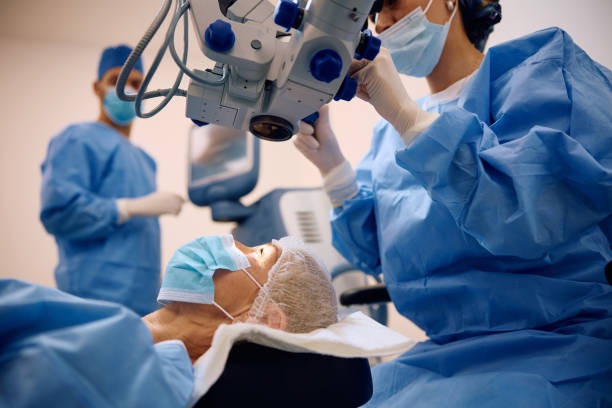
When your eye condition is tied to another health issue, having physicians, laboratory services, and ophthalmologists in one place can save time and reduce confusion. Patients who need surgery under anaesthesia and want strong backup facilities may also find a large hospital reassuring.
5. ASG Eye Hospital
ASG Eye Hospital is part of a wider eye-care group with centres across India, which usually means standardised processes and a large pool of clinical experience. Chain hospitals often provide clear treatment pathways and organised patient counselling.
This is a sensible option if you want a structured, well-documented experience. As with any hospital, ask the surgeon who will actually perform your procedure, and confirm what is included in package pricing.
How to Choose the Right Eye Hospital
A famous name does not always mean the best fit for your specific problem. Consider these points before you decide:
- Match the hospital to the condition. Cataract and glasses removal are common and widely available. Retinal detachment, corneal transplants, or complicated glaucoma call for a centre with proven subspecialty depth.
- Ask about the surgeon’s experience. The person holding the instrument matters more than the building.
- Look at the diagnostic equipment. Modern imaging catches disease earlier, often before you notice symptoms.
- Understand the full cost. Ask what the quoted price covers, including lenses, medicines, and follow-up visits.
- Check accessibility. You may need several visits, so distance, parking, and appointment flexibility count.
- Read patient feedback carefully. Look for repeated themes in reviews rather than single glowing or angry comments.
Warning Signs That Should Not Wait
Book an eye examination promptly if you notice sudden vision loss, flashes of light, a curtain-like shadow across your sight, sudden eye pain with redness, halos around lights, double vision, or a sharp increase in floaters. Diabetics should have a dilated eye examination once a year, and anyone over 40 should have regular checks even without symptoms.
Children need attention too. Sitting too close to the television, frequent headaches after school, or one eye drifting inward or outward deserve an early evaluation, because a child’s visual system is easiest to correct while it is still developing.
Final Thoughts
There is no single perfect hospital for everyone. A patient with cataract needs something different from a diabetic with retinal changes or a parent worried about a child’s squint. The best approach is to shortlist two or three hospitals, book a consultation, and see how well the doctor listens and explains.


Leave a Reply