
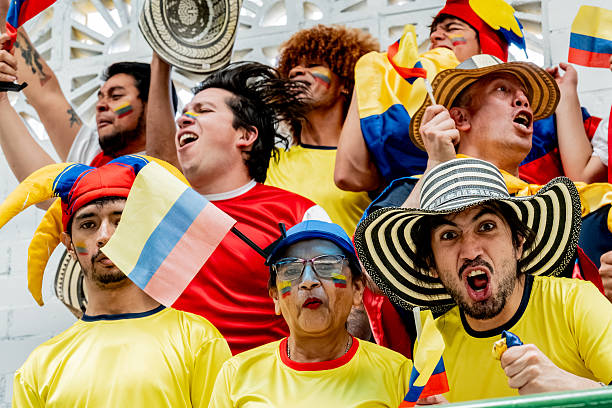
The FIFA World Cup jersey has transformed from a simple athletic uniform into a sophisticated cultural artifact. These garments now blend national identity, technical innovation, and global fan culture into a single piece of apparel.
FIFA World Cup jerseys represent the intersection of performance equipment and cultural statements. Modern tournament jerseys reflect a convergence of heritage design, advanced textile engineering, and strategic market segmentation. They cater to diverse consumer needs across multiple price points and performance tiers.
The FIFA World Cup 2026, scheduled from June 11 to July 19 across North America, showcases this evolution. Modern FIFA World Cup jerseys have become more than just team apparel, reflecting advances in design, performance, and fan engagement. Manufacturers have developed distinct product tiers that serve everyone from professional athletes to casual supporters. Each jersey tells a story about the nation it represents while incorporating cutting-edge fabric technology.
This transformation reflects decades of innovation in sports apparel manufacturing, retail strategy, and cultural branding.
How FIFA World Cup 2026 Jerseys Enhance Performance
The technical sophistication behind FIFA World Cup 2026 jerseys reveals a clear division between authentic match-worn versions and stadium replicas. Each tier serves a specific purpose in the marketplace.

Authentic jerseys retail between $150 and $180 USD. These represent the exact specifications worn by players during matches. Manufacturers engineer them with laser-cut ventilation zones that improve airflow during intense physical activity. Heat-applied crests reduce friction against the skin, while moisture-wicking technology pulls sweat away from the body. The athletic slim fit minimizes wind resistance, giving players every possible advantage on the pitch.
These jerseys must perform across varied North American climates. Players competing in Miami’s humidity face different challenges than those at higher altitudes in Mexico City. The fabric mapping places more breathable textures in high-heat zones of the athlete’s body. Ribbed necklines and cuffs prevent stretching during physical exertion.
Stadium jerseys take a different approach at $100 USD. These prioritize durability and everyday comfort over aerodynamic performance. Key differences include:
- Embroidered logos replace heat-applied crests, creating a more substantial feel
- Relaxed fit accommodates a wider range of body types
- Breathable fabrics maintain their shape through multiple washes
- Practical design for long-term fan wear
Advanced textile engineering incorporates recycled polyester across both tiers, aligning with global sustainability initiatives. Youth-sized options retail around $85 USD, extending market accessibility while maintaining the visual integrity of professional designs. This segmentation allows brands to capture various market segments from high-end collectors to young fans attending their first match.
“The jersey you wear tells a story—whether it’s the exact replica a player wears on the field or a comfortable version for cheering from the stands, each serves its purpose in connecting fans to the game.”
The Argentina Messi Authentic Home Jersey and England Home Authentic Jersey exemplify the premium tier at $180. The USA 2026 Home Jersey and Portugal 2026 Home Jersey represent the stadium category’s balance of quality and accessibility.
What Tournament Jerseys Say About National Identity
National federations use jersey design as narrative tools that communicate heritage and identity. Each kit serves as a visual representation of the nation it represents.
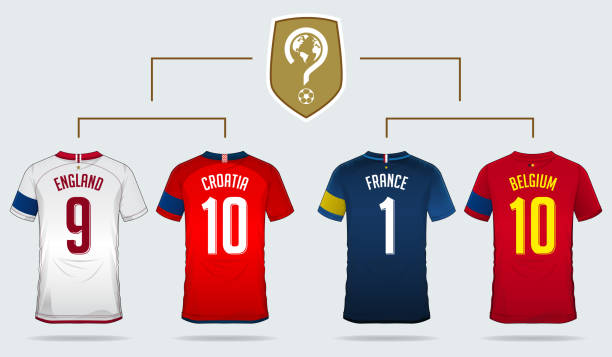
Host nations carry significant market weight in the 2026 collection. The USA 2026 Home Jersey emphasizes patriotic motifs suited for the tournament’s co-host status. Mexico continues its tradition of intricate cultural patterns, with their Authentic Home Jersey priced at $150 reflecting national identity through modern fabric technology. Canada’s home and away jerseys have reached “Sold Out” status early in retail cycles, demonstrating the commercial power of hosting rights.
Traditional powerhouses balance iconic heritage elements with modern aesthetic experimentation. Brazil maintains its “Canarinho” yellow and blue heritage while exploring new design directions in away kits. Argentina maintains its legendary light blue and white stripes, further elevated by Messi-branded editions. France, Germany, and Italy utilize their kits to reinforce historical dominance, often incorporating subtle patterns that reflect local culture or architecture.
Aesthetic leaders push boundaries in jersey design:
- Nigeria’s designs frequently trend toward bold, streetwear-inspired patterns that resonate beyond traditional football audiences
- Mexico incorporates indigenous cultural symbols that connect modern fans with historical roots
- Colombia’s jerseys experiment with color gradients and modern textures
These “special edition” and away styles drive higher resale value in the secondary kit-collector market.
Individual player branding significantly impacts sales performance. The Messi 10 Argentina jersey represents one of the most valuable SKUs in global inventory. This demonstrates how personal brands amplify national team merchandise sales. England’s move toward unconventional away colors shows how federations experiment with bold palettes to capture collector interest.
The Germany 2026 Authentic Away Jersey showcases how manufacturers push the envelope with color gradients retailing at the $150 professional standard. These design choices reflect calculated risks that balance tradition with innovation.
The Retail Strategy Behind FIFA World Cup 2026
The three-nation hosting structure creates specific logistical challenges and opportunities for retailers. Making available all 32 participating nations’ kits across diverse North American territories requires strong supply chain management.
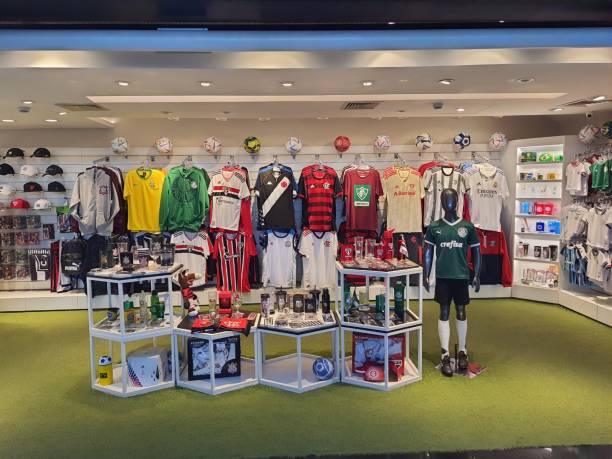
Digital-first retail approaches dominate the 2026 marketplace. The FIFA Official Store serves as the primary distribution channel for official tournament merchandise. Brand stores from Adidas and Nike focus on technical and lifestyle aspects of the apparel. Specialty retailers like Azteca Soccer provide curated experiences including special edition styles and apparel beyond jerseys.
This multi-channel accessibility incorporates advanced inclusive purchasing experiences. Official stores utilize contrast adjustment, screen reader optimization, and saturation controls to make certain the purchasing experience accommodates all consumers. Whether someone seeks a $180 authentic match kit or an $85 youth jersey, the product remains available across global markets.
Strategic launch cycles manage consumer momentum effectively:
- Home kits release first to establish baseline demand
- Away and third kits follow to maintain interest leading to the June 11 tournament kickoff
- Phased approach prevents market saturation while keeping fans engaged throughout the pre-tournament period
High-demand items face frequent stock shortages months before opening matches. The France 2026 Away Authentic Jersey and USA 2026 Away Jersey demonstrate immediate sell-out potential. Retailers must monitor replenishment cycles closely to capitalize on the surge of tournament fever that occurs as the final roster solidifies.
Geographic search interest concentrates on specific nations. Argentina benefits from the Messi legacy. Mexico commands a massive fan base within the US host country. Brazil maintains interest as the most successful World Cup nation. France and Portugal drive European star power. These search trends inform how brick-and-mortar and e-commerce stores allocate inventory between higher-margin authentic kits and volume-driving stadium jerseys.
“Understanding your market means knowing when to stock the $180 authentic kit for collectors and when to prioritize the $100 stadium jersey for volume sales. Both serve critical roles in tournament retail success.”
The higher-priced authentic kits stock in lower volumes but yield higher margins. Stadium jerseys drive sales volume across all demographics including men, women, and youth. This balanced approach maximizes revenue while serving diverse consumer needs across the marketplace.
Final Thoughts
FIFA World Cup 2026 jerseys represent the culmination of decades of evolution in sports apparel. Technical performance, cultural storytelling, and commercial strategy intersect in these garments.
The tiered product approach makes these jerseys accessible across demographics while maintaining the prestige of authentic match-worn specifications. From the $85 youth jersey to the $180 authentic edition, each tier serves its purpose in the broader market.
As the tournament approaches, these jerseys will continue serving as powerful symbols of national pride and global unity. They speak the universal language of soccer, connecting fans across continents through shared passion and identity.

Leave a Reply